If it were possible, in a parallel universe, I think I would recommend that every new driver’s license holder attend such a crash test before being given the right to drive on the streets. I think it would stimulate a dose of responsibility by understanding the laws of physics.
Now to the story, how did I get to see an cash test in the first place? Well, it’s probably already known that working under the Volvo umbrella has given me a lot of great opportunities so far, especially this year. That’s what happened now.
On a typical Thursday evening, I received from my colleague Andy, a proposal to invite a pair of two automotive journalists to see a crash test with the new Volvo EX90 in Sweden in 4 days. Who is active in the field can smile wryly after reading the sentence above, what do you mean in just 4 days? Well, we don’t have problems of this type, and in 45 minutes we already had the two journalists confirmed. It was a bit challenging if we had to leave the next day, but surely, we would find a solution there too, we’re Romanians.
The planning of the trip had not yet been finalized, because our colleague Viktorija was on top of it. Do you remember Viktorija and how she sat us down with Jim Rowan, CEO and President of Volvo Cars? If not, I leave you a link here. Having said that, given the way we work, there was no way we could go to Sweden just for a crash test, no, the following activities were also added to the list: interview with Åsa Haglund – Head of Volvo Cars Safety Centre, visit to Brand Experience Centre, tour of the Volvo Cars factory in Torslanda, trip to the Volvo Museum and another absolute premiere, the presentation of a Volvo EX30 test vehicle by Joakim Hermansson Product Manager for this model. All this happening in just two days. As usual, Viktorija has raised the bar and we are deeply grateful to her for all her efforts. Now I’m honestly curious what her next invitation will entail.
Well, the day of departure came, we boarded, and when we arrived in Sweden, we were picked up from the airport by a taxi (Volvo XC90), with a Swedish driver by name but with a Romanian personality, smiling, good at jokes and quite hurriedly. The interesting part was that when we told him we were from Romania, he exclaimed with a smile in the corner of his mouth, the fact that he had seen some pictures from Romania. We got a little confused, then he went on to tell us that the pictures were from a party, a Halloween party. Exactly! It was about that Halloween party last year, organized at Bran Castle, where Elon Musk and Peter Thiel would have attended. Apparently, our driver had provided the same taxi service for one of the party attendees, who of course used to fly in a private jet. Fascinating how the image of our country is strengthened abroad, isn’t it?
After this warm welcome in Sweden, we arrived at the hotel and prepared to meet our entire group at dinner, which included journalists from Tunisia, Bulgaria and Romania. Unfortunately, Viktorija could not accompany us on this adventure, but as a host we had John, or rather the Australian John, Viktorija’s colleague. Do you have any Australian friends? Don’t you think they are so relaxed in the practical sense of the word? I find their way of being fabulous. Anyway, this is how people from 3 continents met in a Swedish city.
Fast forward to the next day, after visiting the Brand Experience Centre and touring the Torslanda factory, before witnessing something I probably won’t see again anytime soon: a live crash test. We were invited into a sort of tribune, placed above where the impact would occur. The test was to simulate the frontal impact at a speed of 50 km/h of a Volvo EX90 model, with a fixed pillar-type point. Åsa Haglund started talking to us before the test, in an extremely relaxed tone. I myself, after entering that stand, protected by a serious layer of glass, I only had my eyes on the point of impact, so as not to miss the moment, while Åsa stopped talking to journalists just 15 seconds before impact. Then the countdown began, there was silence, after which the impact took place. I return to what I said in the opening of the article, if I had the opportunity to see and hear an impact live at a speed of “only” 50 km/h, I think I would have reconsidered many decisions from my first years of driving. If you watch a video clip of the test, you don’t understand as well what that impact means. All in all, the experience was a shocker that I’m still excited about. I would call it a class engineering show. After the impact, this Volvo EX90 had an intact interior, absolutely all doors opened without problems, while the front end moulded perfectly at the point of impact. Obviously, that’s all you want in an impact at such a speed, to deform the front as much as possible to dissipate the energy of the impact and reduce the speed with which the passenger compartment made of the hardest steel in the world reaches the obstacle. The more you deform the front end, the more you reduce the deceleration your internal organs will experience when the obstacle meets the passenger compartment. I tell you that inside, except for the airbags, almost everything was intact.
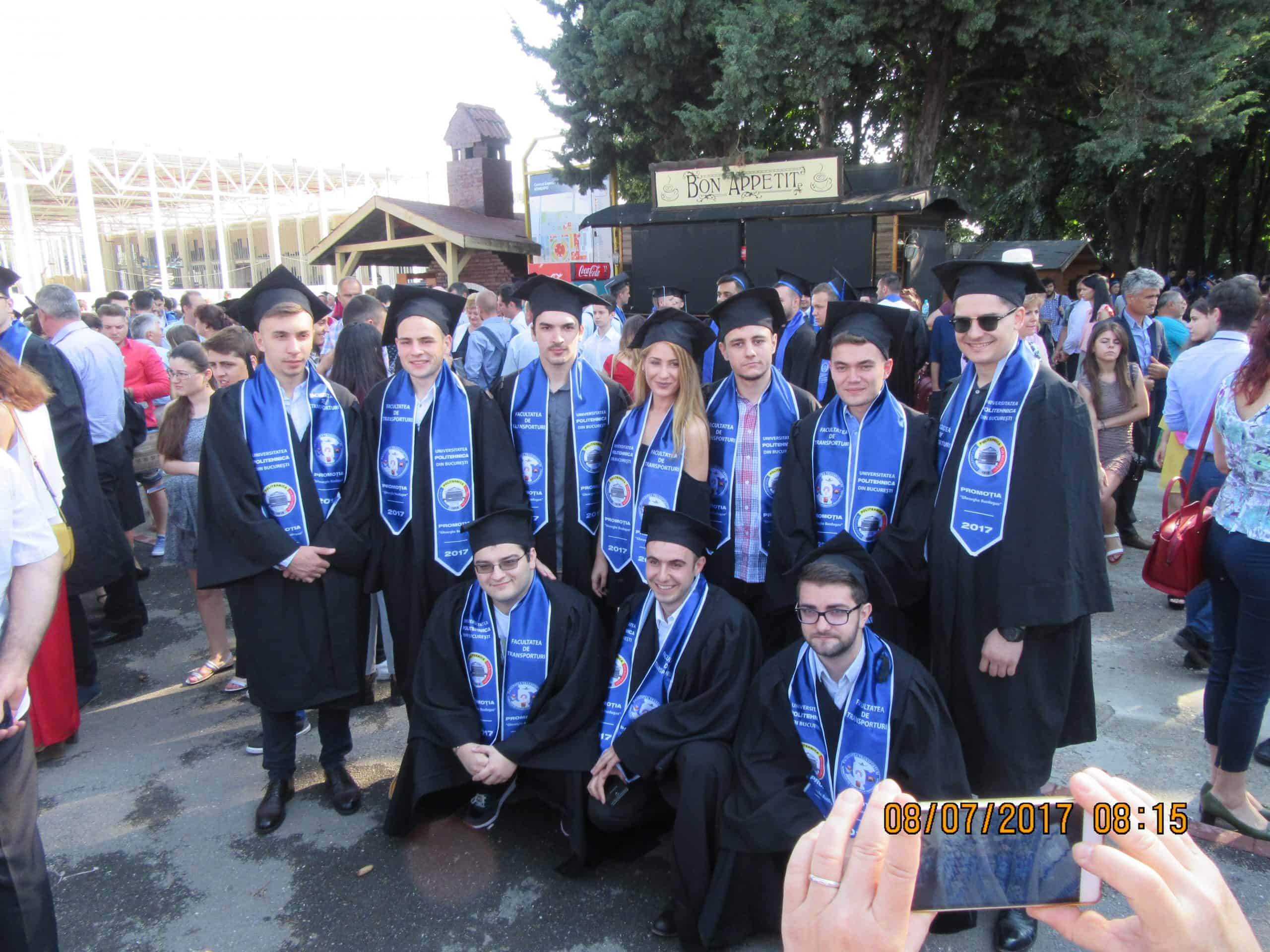
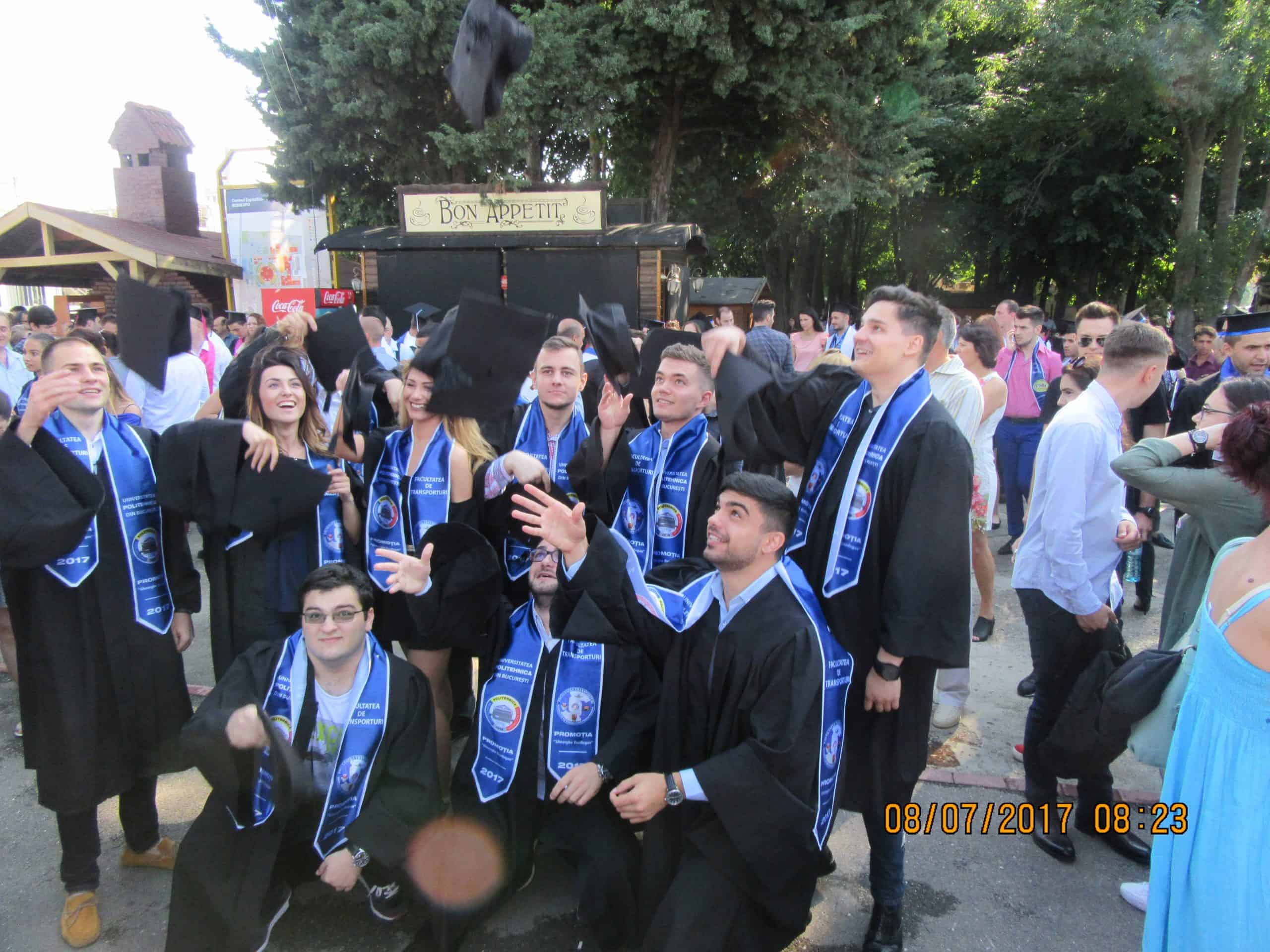
After this moment, until we were allowed to go down to the test area to see the damaged car, our journalists had the chance to interview Åsa Haglund, Head Of Safety Centre as well as her colleague Dr. Mikael Ljung Aust. Honestly, during the interview, watching these two people talk about what they do, I felt a sense of gratitude again, because I just got to be in the same room with them. I’m telling you, if this interview had been filmed and broadcast in the amphitheatre of the Faculty of Automotive Engineering at the Politehnica University in Bucharest, which I also graduated, half of the students would already have their CVs in Gothenburg. People like the two above are true sources of inspiration and at the same time pride for us who can say that we work for the same company as them.
Having said that, we had a perfect first day of activity in Gothenburg, where in addition to the things seen and told above, we also enjoyed a gorgeous sunny weather, which is quite rare around there. As a result, we went for a walk around the beautiful town, at which point we accidentally found a new premiere in a showroom in the city centre, namely a Polestar 3 model.
We started the second day of activities with a visit to the Volvo Museum, which will close in its current form at the end of the year, to be moved to a new, multi-functional premises this time, called the World of Volvo. The very cool part of the museum, besides all the history, from the first model to today, is represented by the guide who gave us the tour, who has been working there since the opening of the museum and who told us about Volvo models from the 60s with references from his personal life.
After the museum, there was the presentation of Volvo’s next hit, the new EX30. It was the first time I saw this car. What’s more, at that time, our journalists were the first in the world to have the chance to see it in its boldest colour, namely Moss Yellow. The car is extraordinary, but I thought it was even more extraordinary that I had the chance to talk to Joakim Hermansson, one of the people responsible for the creation of the EX30 model. He’s a very cool guy, that’s for sure, but for me the discussion was even more interesting because when I went to college, I dreamed of getting into a position like the one he’s holding now, to be responsible for developing a model. Fortunately, at the right time in the 4th year of college, during an internship at another car manufacturer, I found out that with my Romanian passport I have no way of reaching such a position within that company, so I started doing something else and that was the best decision.
Having said that, I had another memorable experience thanks to my colleagues at Volvo, to whom I remain deeply grateful. And if I learned anything after that impact test, it’s that I better try to do my best to never end up in that situation.