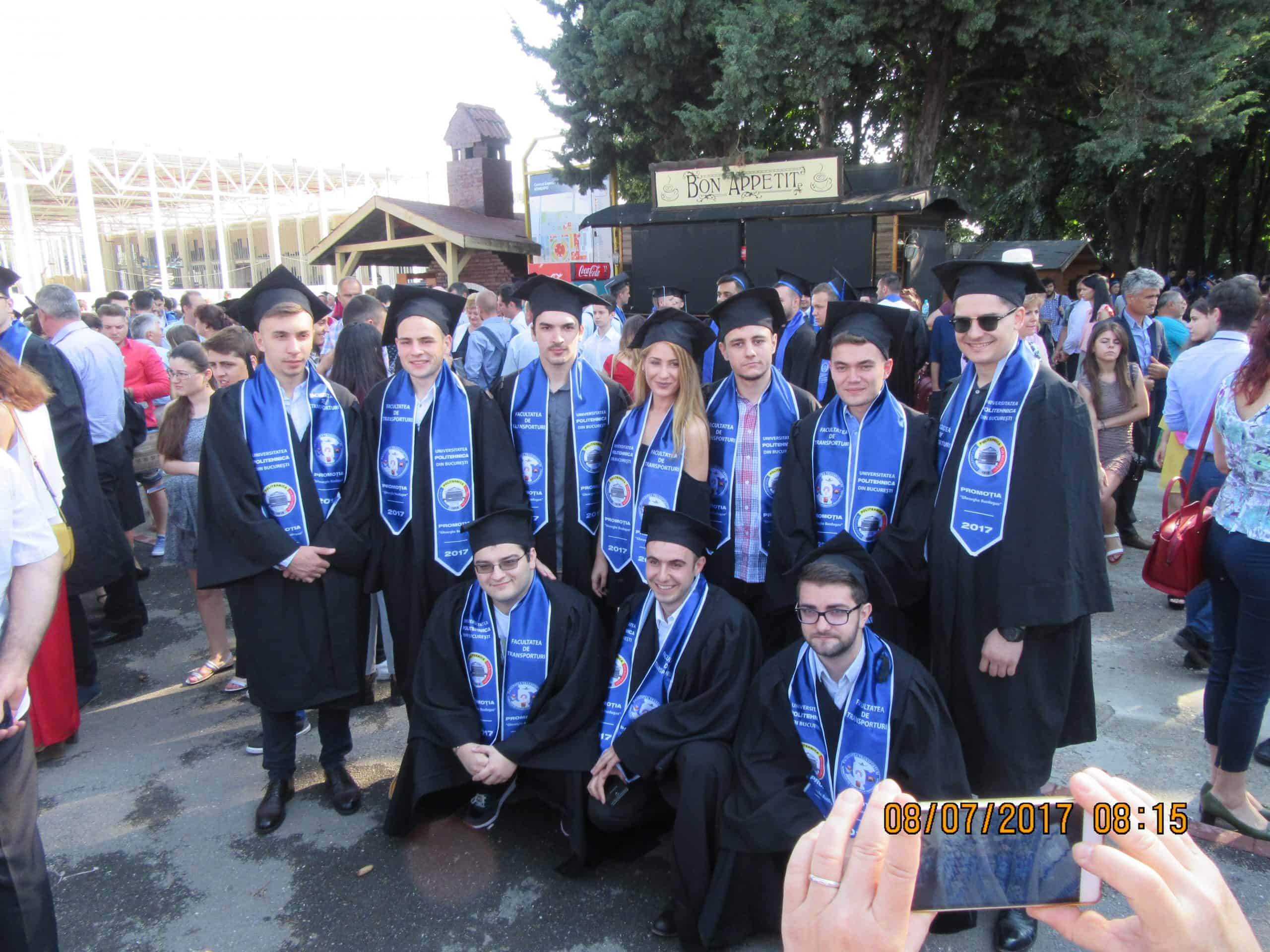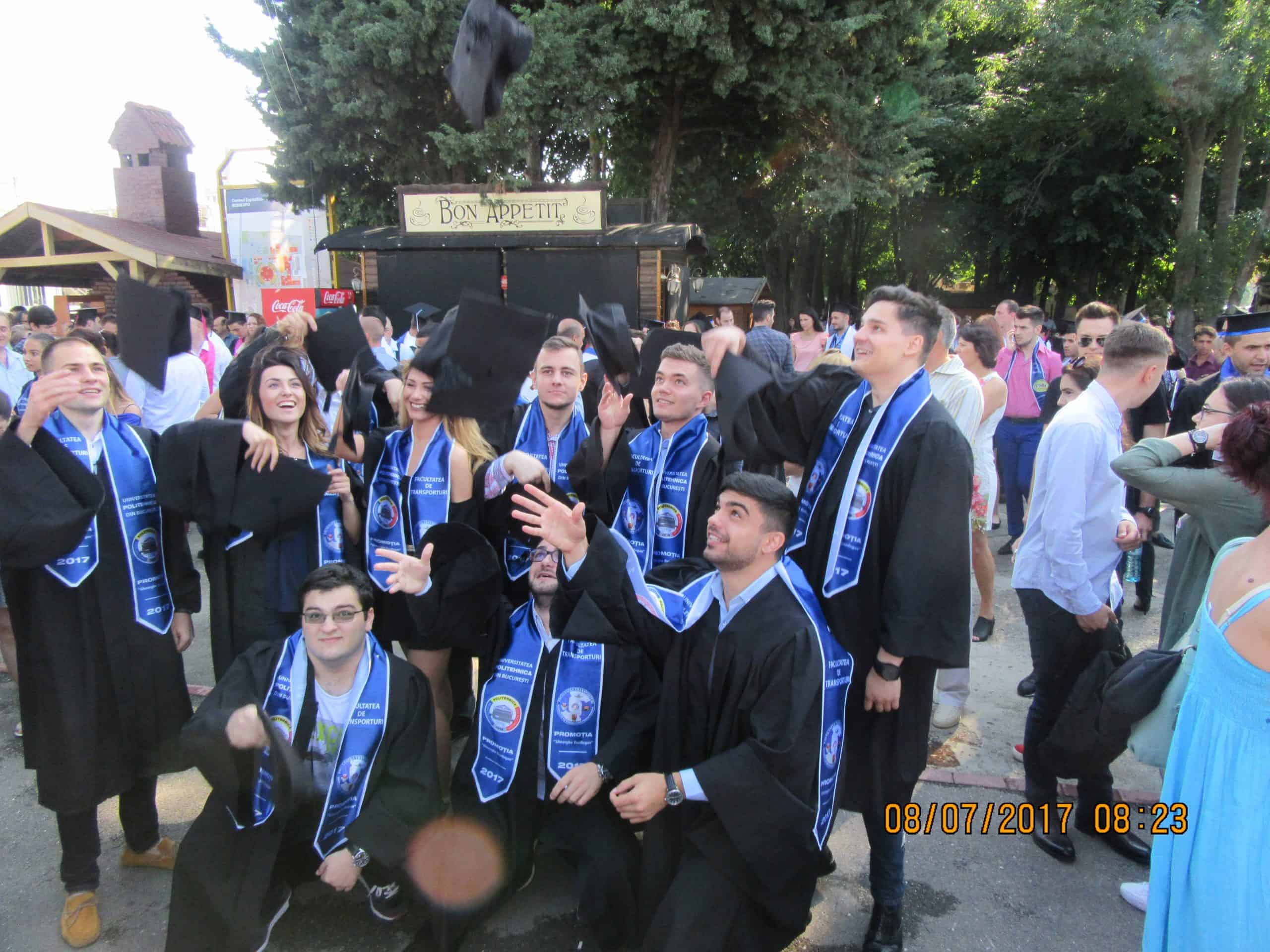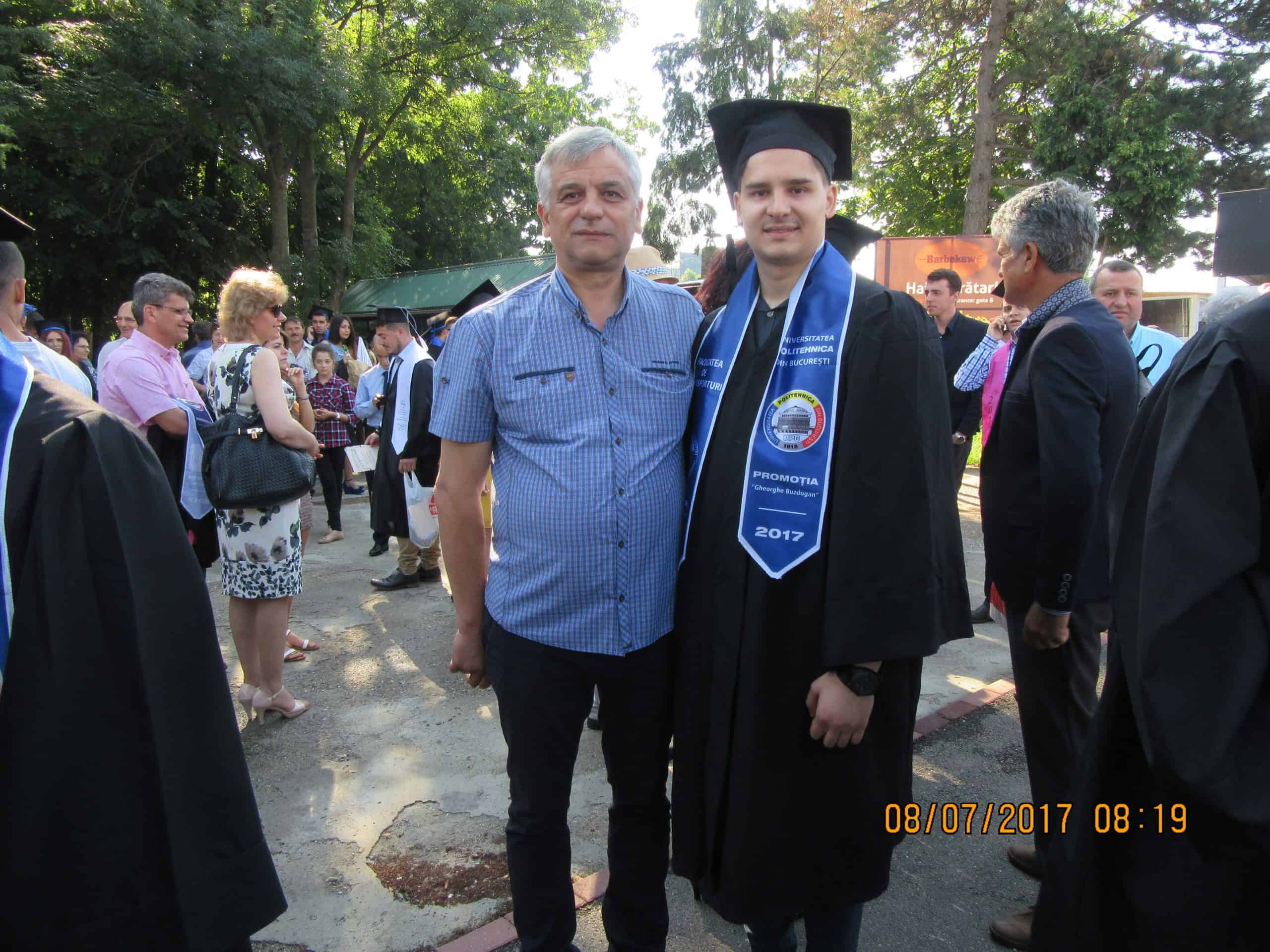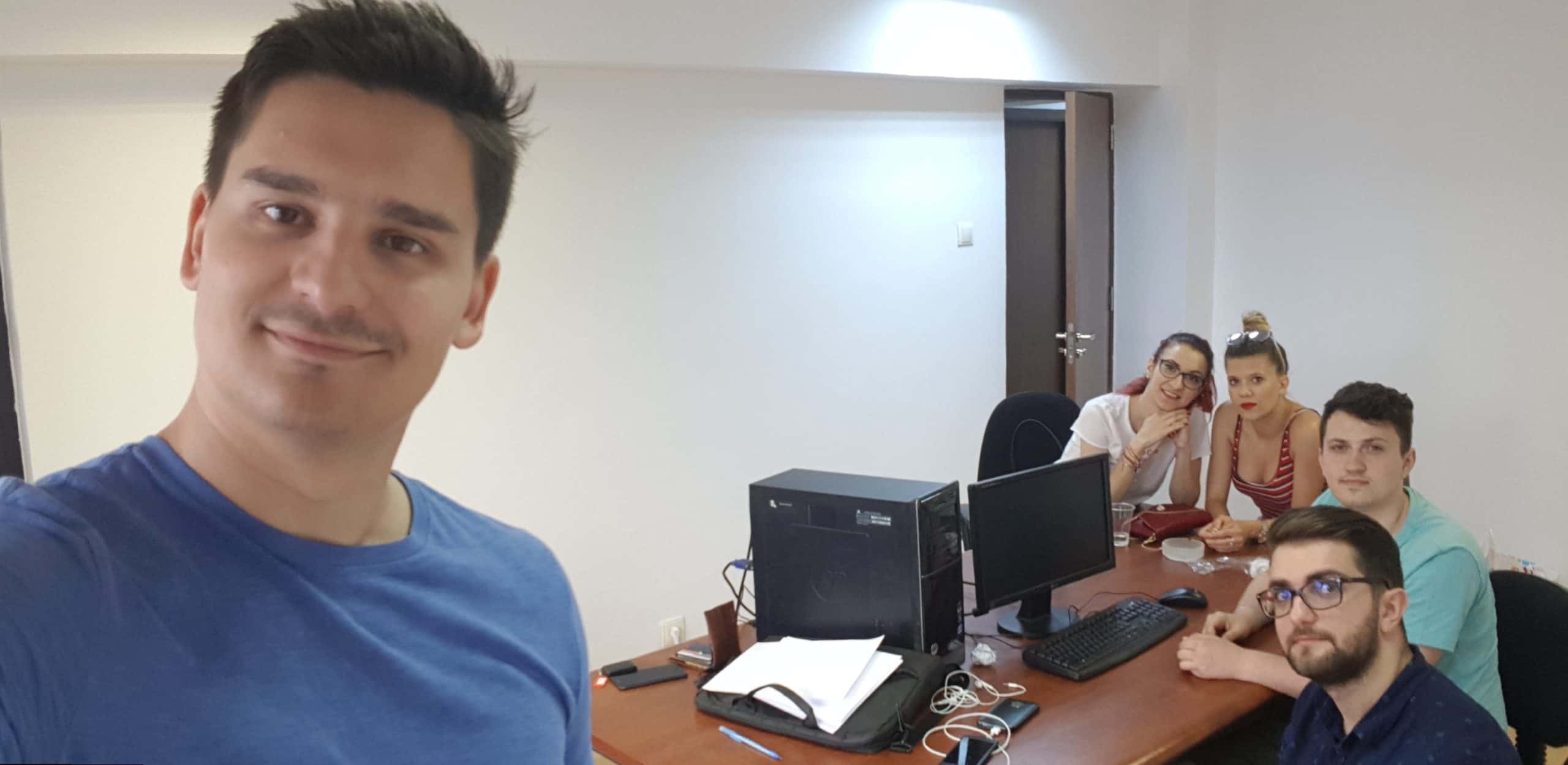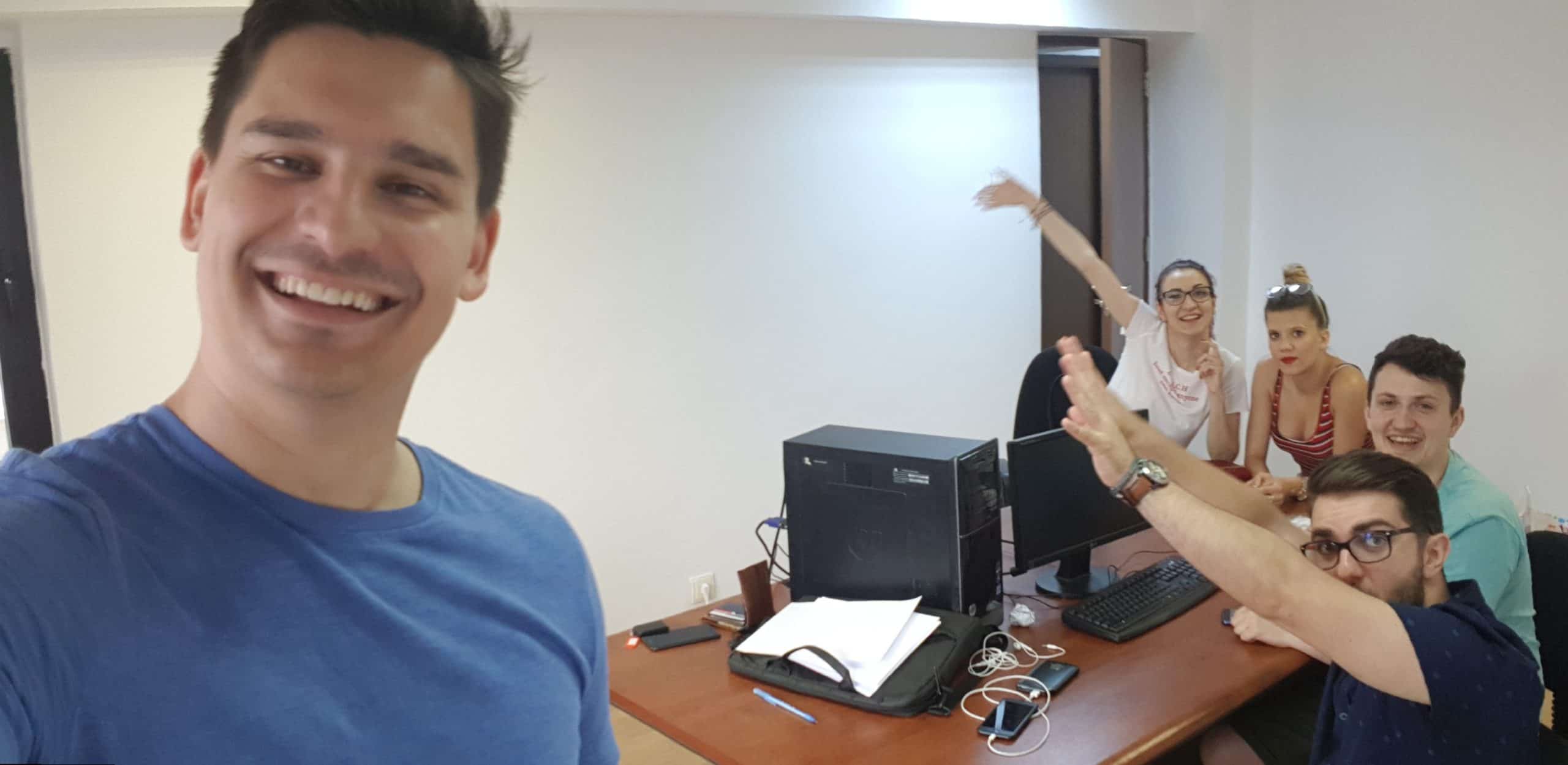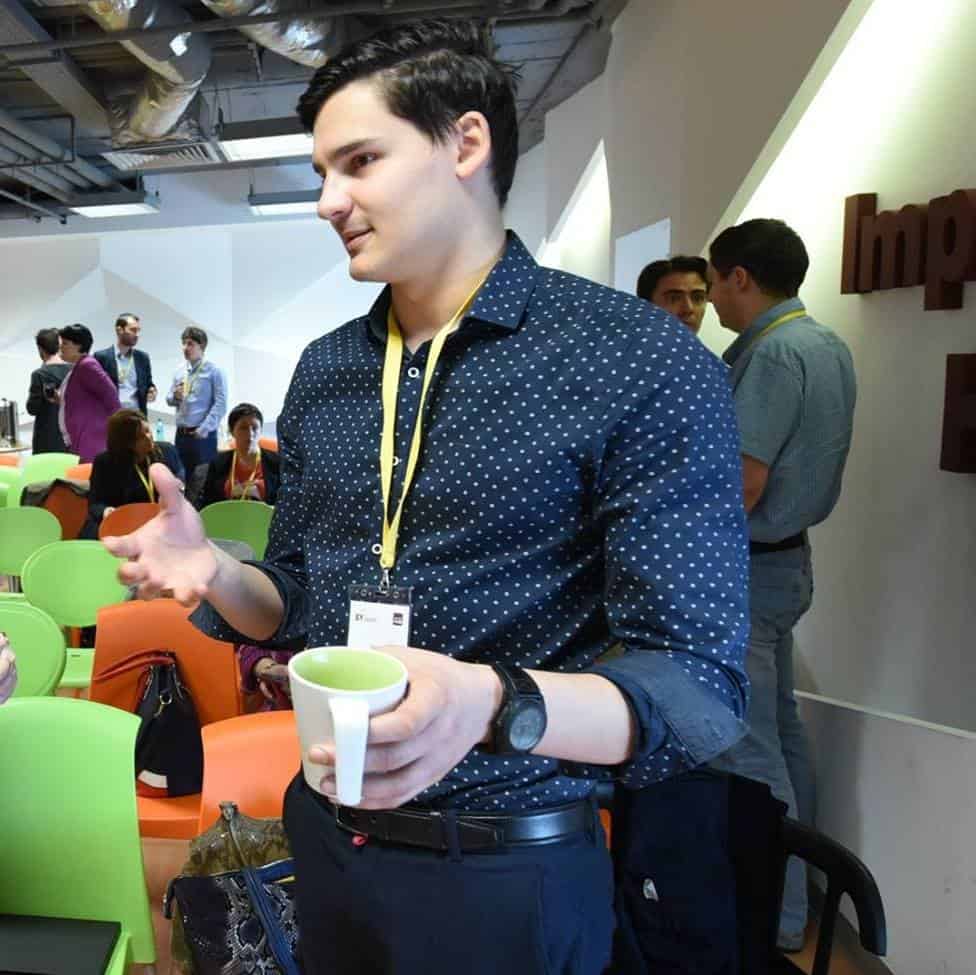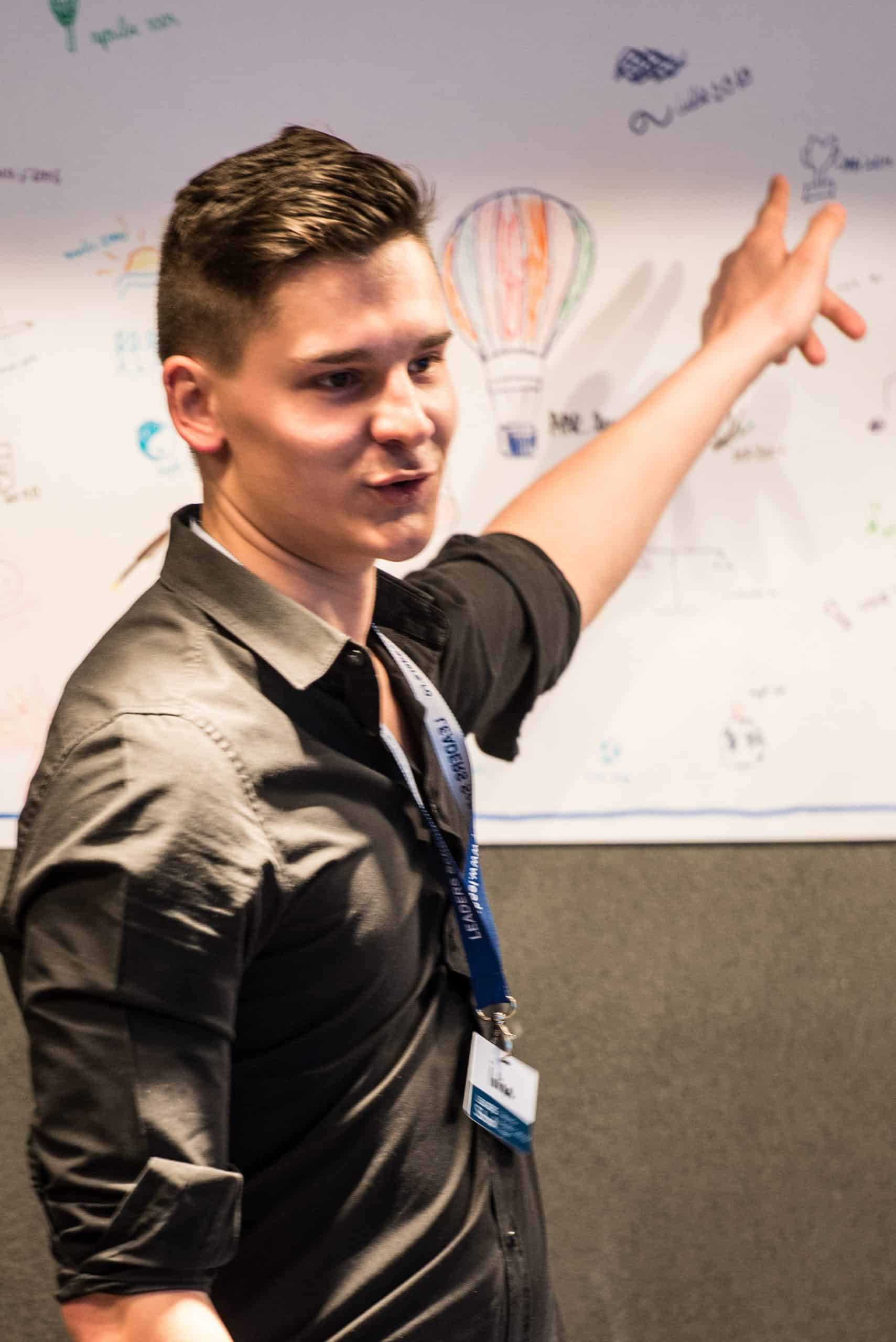
Somewhere around 2022, during a discussion with a close friend, I was ardently expressing both my gratitude and my disappointment towards the Romanian educational system, the one I went through until the age of 22.
I was, and still am, grateful for the educators and the few teachers who, at various stages of this journey, took care to teach me principles that would later prove useful. I remain grateful to the Politehnica University of Bucharest (UPB) for the four years spent there and for the way that faculty taught me how to think. Unfortunately, the gratitude stops here, and this is the moment when I return to the 2022 discussion. Back then, I was quite frustrated by the fact that, on a practical level, I realized that at no stage did the Romanian educational system provide me with a certain set of skills that I can now use with confidence in my professional life. Today, I am an entrepreneur and a marketing specialist. Academically, I am an automotive engineer. Did I learn something in school that is relevant enough to help me today in the activity I perform day by day? No. Is it my fault that I didn’t choose to practice in the field I studied? Maybe, but I take responsibility for it with great joy, and I’ll park this subject for now, because it is not the purpose of this article.
Returning to the discussion with my friend, the painful conclusion was that, academically, I did not feel sufficiently prepared for my job. I was, of course, schooled at the workplace, as they say, as an entrepreneur you learn best on your own money, when you lose it; as a marketer, it’s true that I learned on other people’s money. Still, as an entrepreneur, I don’t really like losing money. So later, I asked myself what the alternative was, what could I do? Are there schools for entrepreneurs? Apparently, the answer is yes, there are rather study programs for entrepreneurs, generally called MBA or master’s in business administration.
However, in Romania, the options for these programs are of two kinds: either within Romanian universities, or through partnerships with foreign universities, with prices to match. What is the difference between the two? The teaching staff or, simply put, the professors. For this type of master’s, things go one way when you have at the desk the academic experience of excellent professors, and another way when you have entrepreneurs or professionals who have actually done things in business and now, towards the end of their careers, have chosen to teach from their practical experience.
After that discussion with my friend, I decided, first of all, that I was going to look into such programs, because, let’s face it, we all want to evolve. I searched and searched and found this program organized by Maastricht School of Management (MSM), a Dutch university, in partnership with Bucharest International School of Management (BISM), a sort of ambassador in Romania for several European universities. What I really liked about their program was that half of the professors were Romanian, and in fact, they were not academic professors but entrepreneurs with experience in the local market. I was already following a good part of them, and I said to myself that this is the program where I have to be. A year later, in 2023, I gathered the courage to take the money out of my pocket for this program, I applied, and I was admitted into cohort RO14. The application was not without its challenges either, because besides the few recommendation letters that I had to provide and an interview, it was necessary for me to obtain a passing score on several tests whose purpose was to verify my knowledge of writing academic essays according to a certain academic standard. Those tests were brutal, in the sense that it took me a while to understand that standard. I passed all these preliminary stages, and the program started in December 2023, right after I turned 29 years old.
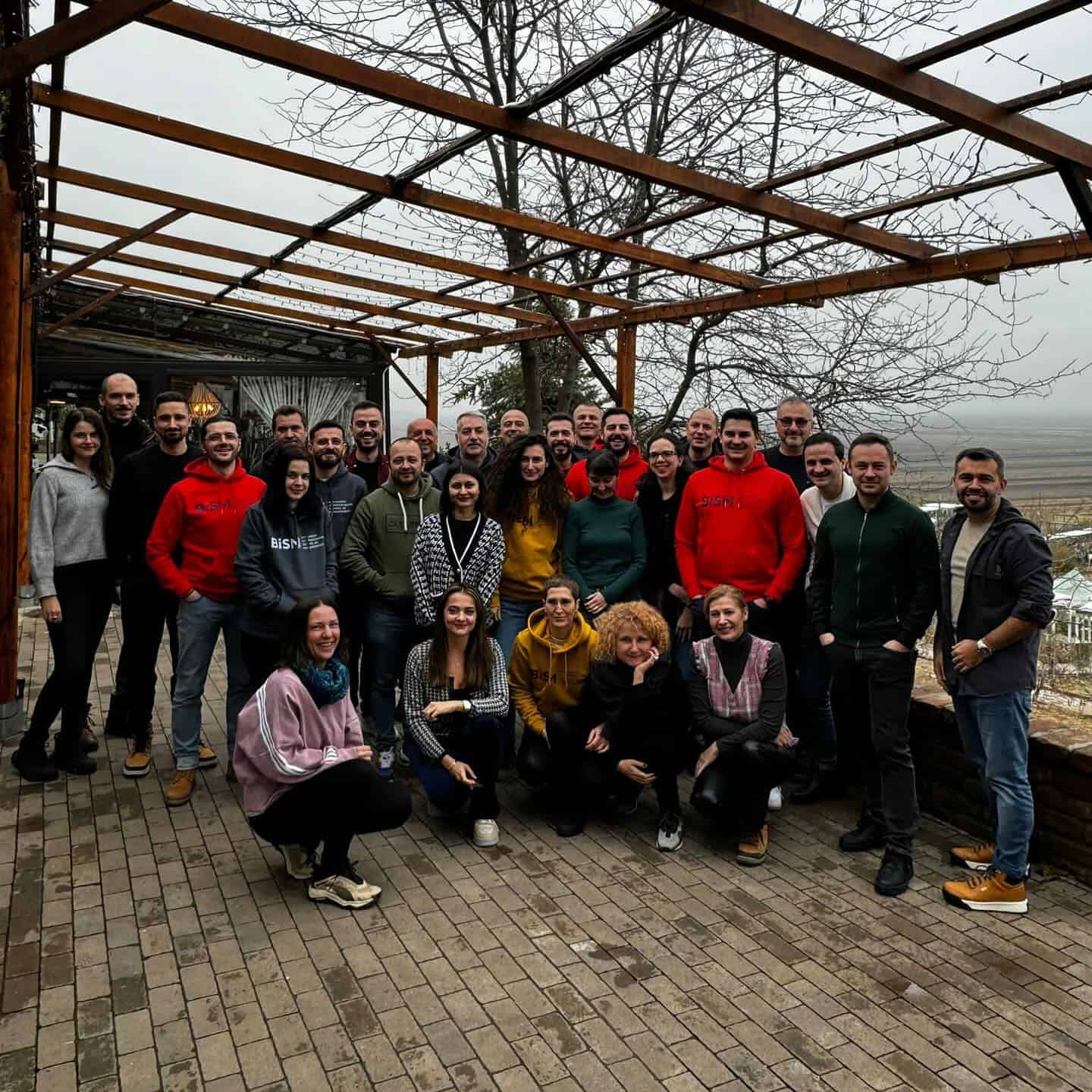
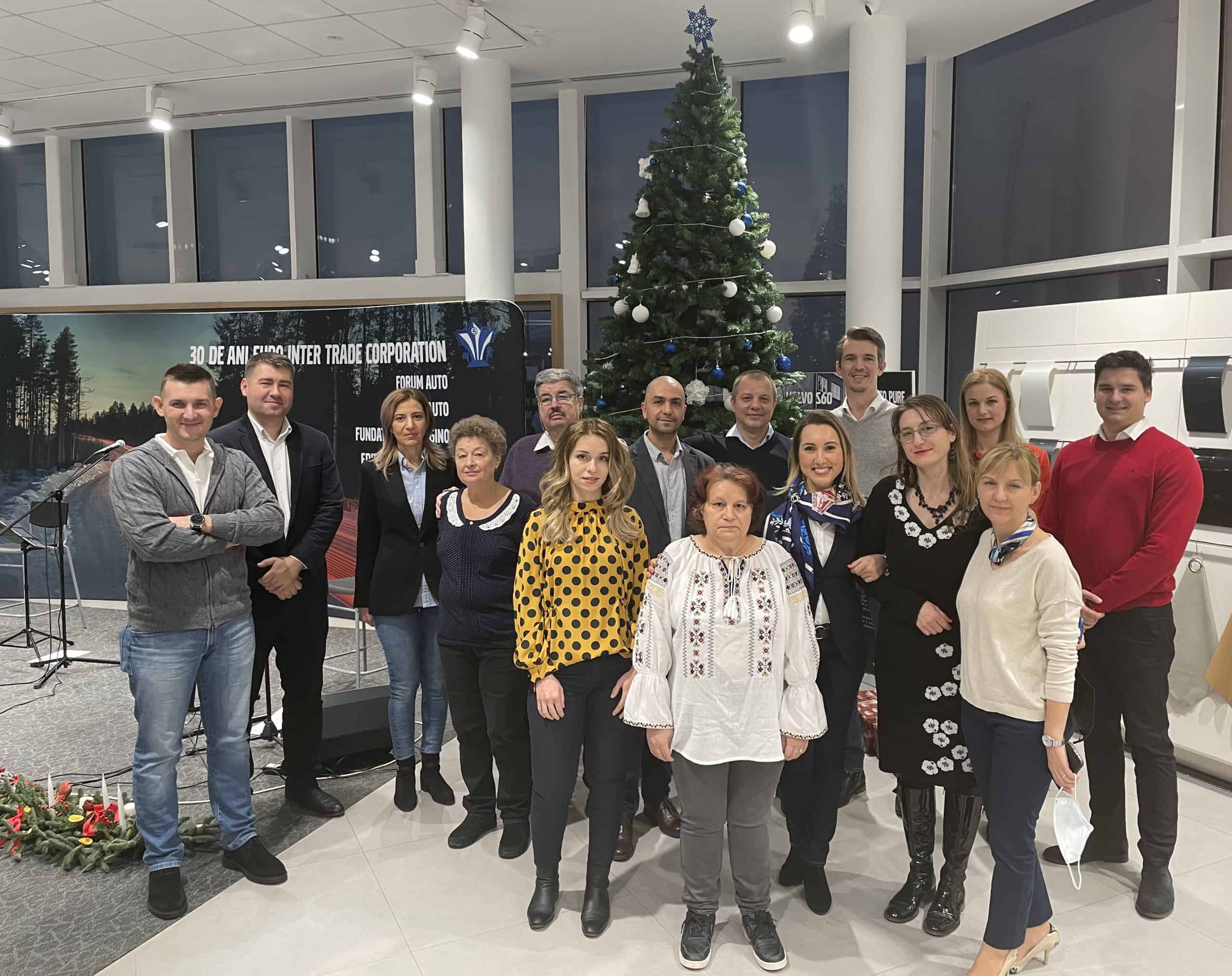
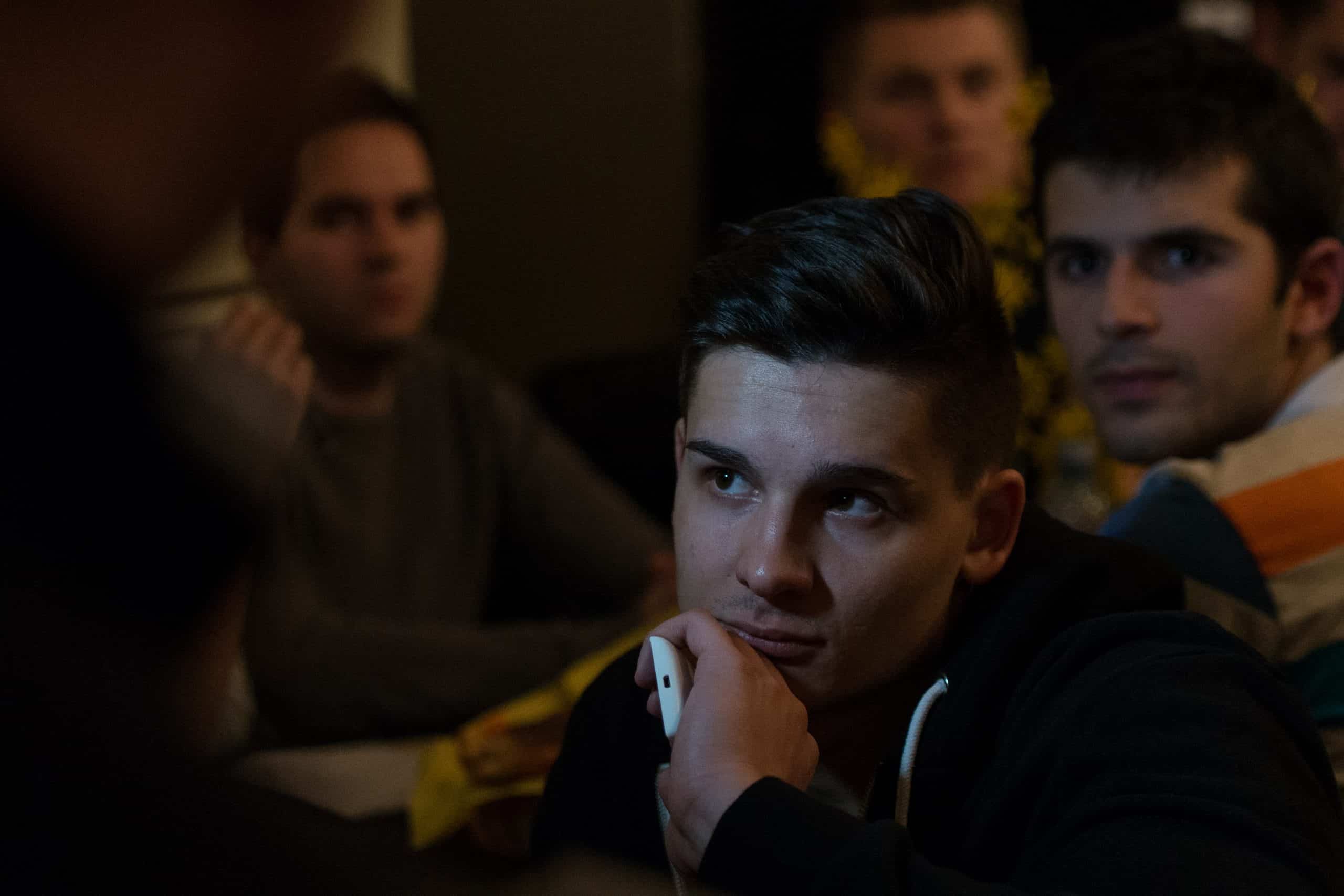
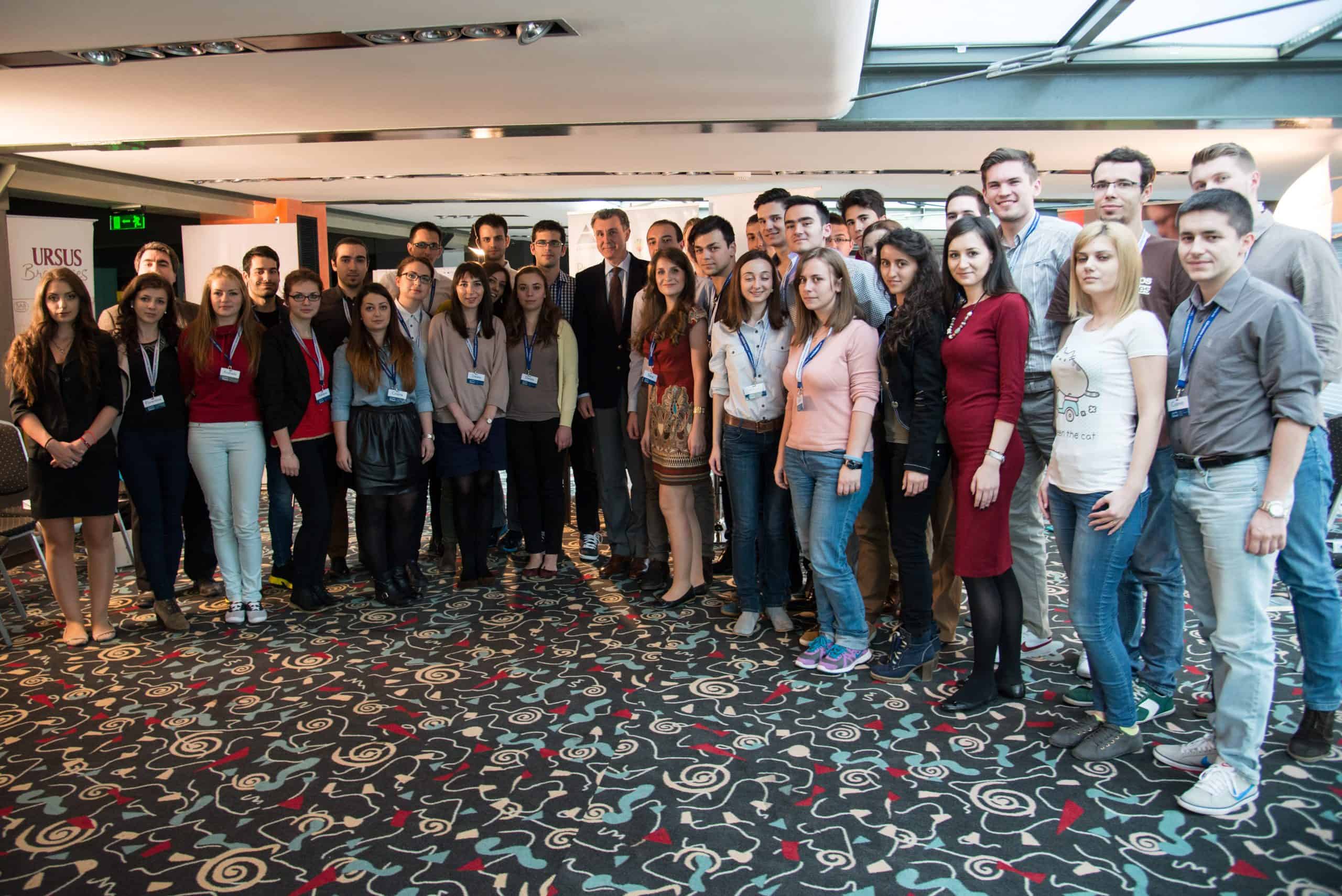
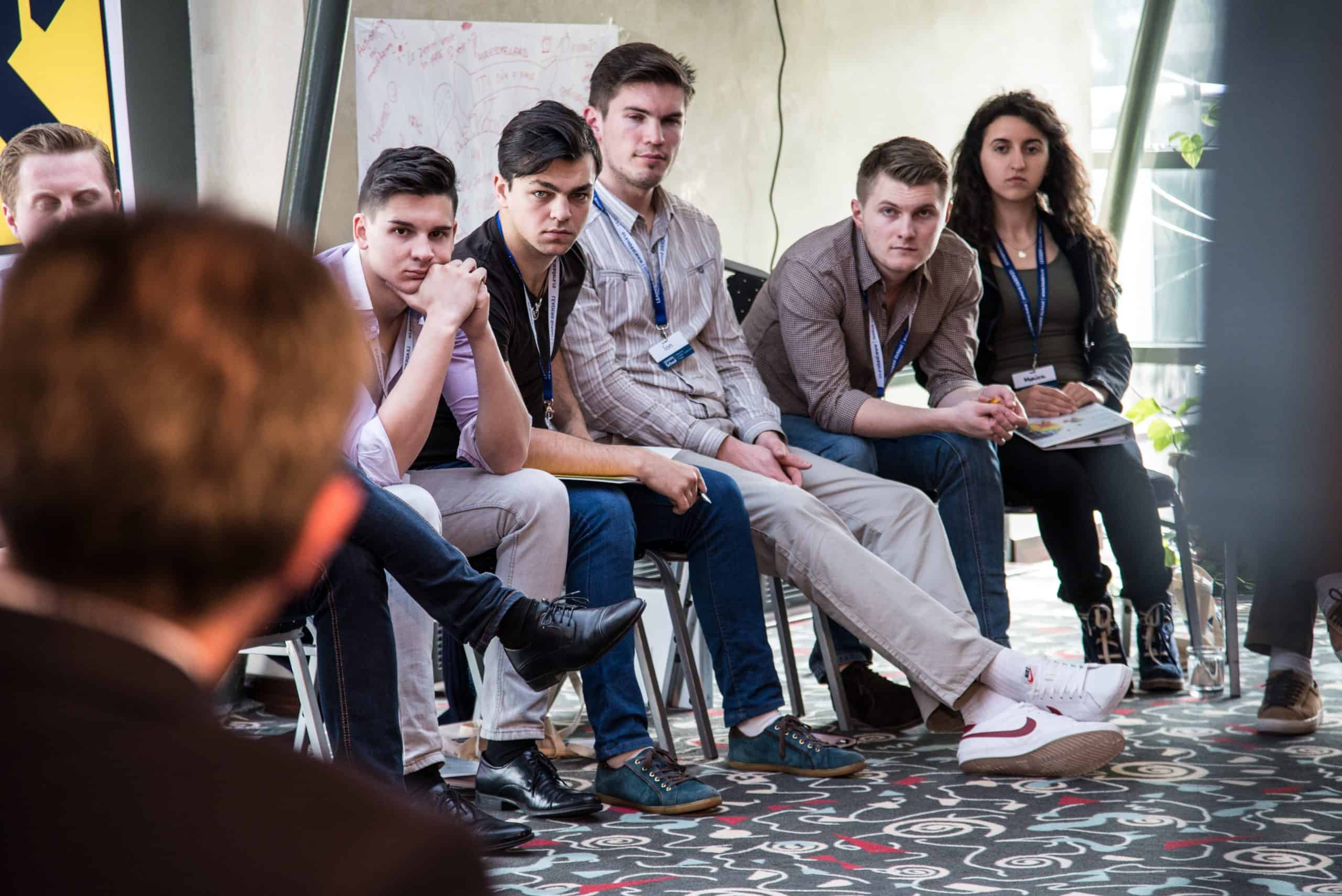
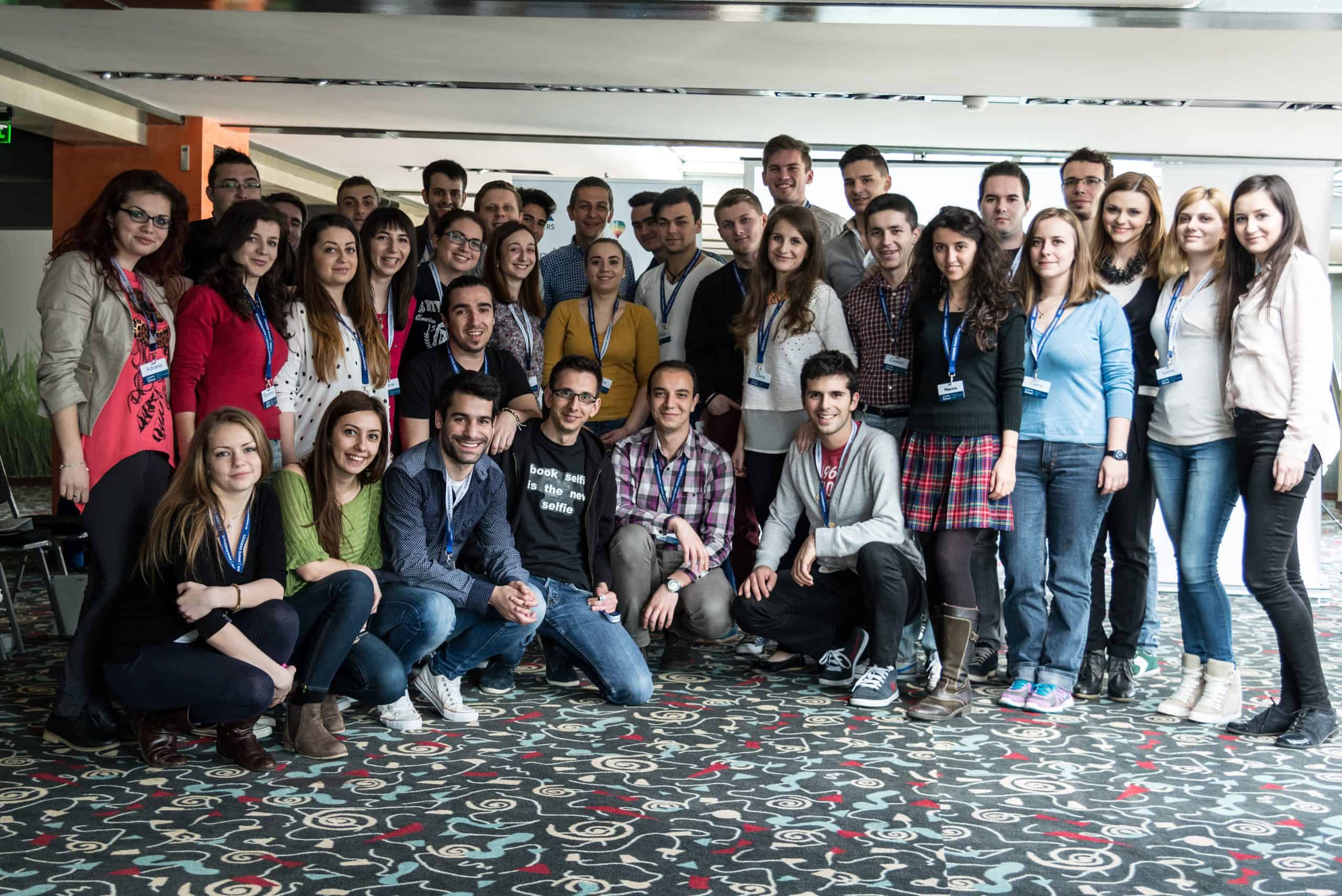
Further on, I will briefly describe what the program meant in technical terms. Specifically, the courses took place on weekends from 09:00 to 16:00, sometimes also on Fridays during the same time interval. Usually, the courses were held every two weeks. Most of the classes took place here in Bucharest, at the BISM headquarters. One course usually lasted two weekends, meaning four days. Within each course, we received an individual assignment, and a group project. The groups changed from course to course, and usually the group project was done and submitted during the class. After completing a course, we had about a month to complete the individual assignment and upload it to the platform. Theoretically, about another month later, we would receive the grades, and if there was someone who failed, that person had time then to resubmit. Without any modesty, that was not my case, everything went smoothly for me. Usually, the final grade for each course was an average between the grade received for the group project and the one for the individual assignment, where the group work counted for 30% and the individual for 70%. Absences, another element of great interest for busy people, were managed quite well, I would say; you were allowed, in almost every course, to miss one day out of the four without serious consequences. If you missed more, you had to do extra work. That was not my case either. In addition to the courses held in Bucharest, we had a three-week trip to the Netherlands, at the university’s campus in Maastricht, where we completed four of the eighteen courses of the program. Near the end of the program, we also had another trip for a group presentation in front of real investors, at the University of New York in Prague (UNYP), Czech Republic. Besides everything we had as part of the program, at the beginning we had a discovery camp near Bucharest, where I met my colleagues and drank the first glasses of wine together, but we also discovered things. And at the end, we had a wrap-up course where we zoomed out a bit to understand what we had learned in the past two years. In order to complete the program and obtain the much-desired diploma, you obviously had to pass all the courses, this passing grade being a minimum of 5.5.
In the end, you would choose a topic, get it approved, and then you were assigned a supervising professor; you would get to work, submit the dissertation thesis, and after some time you would defend it, and that’s how you finished the program, just like I did. For me, the fun started in December 2023 and ended in August 2025.
The 18 courses I took within the MBA program are, in order: Accounting for Managers, Digital Transformation, Finance, Economics for Managers, Strategy, Managing Cultural Diversity, Thinking and Deciding for Business, Leading High-Performing Teams, Boardroom Executive Simulation, Creativity and Innovation in Business, Ethics, Marketing, Change Management, Research Methods, Global Supply Chain Management, Decision‑Making Tools, Leadership and Organizational Behavior, and Entrepreneurship.
Further on, I will try to briefly describe the valuable things I gained after each course.
Accounting for Managers — from here I better understood how a bank looks at my company’s balance sheet when it gives me a loan; I also learned to look at listed companies’ numbers and to understand a few things from there.
Digital Transformation — where we had Vladimir Oane as professor; from here I learned that the adoption of technology in companies is about people and not about technology; I also understood how various technologies can be used to create value. Of course we also discussed AI.
Finance — from here I understood even better how to read financial statements, but especially I understood how investors think.
Economics for Managers — here we studied more theory, theory that in places was familiar even to me, but the information was useful in the context of what followed.
Strategy — where we had Sergiu Neguț as professor, and where we had a real team assignment, meaning a real company came to us with a real problem and we had to, within a 24-hour challenge, give them a solution. The solution of the team I was part of was to fire the CEO, and we presented this to him in person, it was epic. Plus, I retained a lot of things with substantial substance related to positioning in business and adaptation to new conditions.
Managing Cultural Diversity — here I learned how the cultural specifics of each individual translate into business, and I also became a bit more aware of the unwritten organizational chart within each company.
Thinking and Deciding for Business — where we had Radu Atanasiu as professor, and I learned a lot of techniques for making decisions depending on the context; I also realized that when we postpone decisions, we are in fact making a bad decision.
Leading High-Performing Teams — where we had Cosmin Alexandru as professor, and where I understood what it means to build, consolidate, and manage a team of high-performing people; I also learned how to manage difficult situations within a team.
Boardroom Executive Simulation — it was a simulation course where, for the first time, using an application, we competed in groups in a business simulation. Each member of the team had an executive role, and in each round we had to make resource-related decisions in order to gain market share, profit, and increase the value of the shares. It was brilliant.
Creativity and Innovation in Business — where we had professor Magda Ropotan, who opened our eyes regarding what it means to innovate and what it means to put yourself in a position from which you are capable of doing that.
Ethics — where we had professor Steven van Groningen, a man who is synonymous with ethics and who explained to us at length what it means to make decisions having an ethical filter and what it means to lack this filter.
Marketing — where we had the well-known Mihai Bonca as professor, and where we discussed from the very basics where marketing starts and how much it can amplify a business if things are executed correctly.
Change Management — a course where we discussed quite a lot about philosophy and about a series of techniques through which you can implement changes within a company while being very attentive to the context.
Research Methods — here I had, for the first time, contact with the process necessary for writing the dissertation; this is also where I chose my dissertation topic.
Global Supply Chain Management — another course where we used an application to compete in the market, just like in the boardroom simulation, but also a course in which we learned a lot about the complexity of supply chains.
Decision‑Making Tools — here I learned how to use a series of mathematical-statistical methods in order to reach the best decisions.
Leadership and Organizational Behavior — an intensive course about leadership, but especially about how this era of artificial intelligence will impact the way companies are led.
Entrepreneurship — where we had professor Andreas Antonopoulos, and which, in my opinion, was the coolest course of this program; probably that is why it is also the last one. Here I learned concrete things about entrepreneurship. Andreas also had a lot of guests in the course, who came and told us about their business experiences. The group assignment of this course was related to building and pitching a startup in front of real investors, which is the reason why we went to Prague. Everything here was brilliant.
Besides the courses detailed above, during the weekend of the discovery camp, the first contact with this program, we went through, together with Adi Stanciu, a few personality tests in order to figure out who we are, what our strengths are, and what our weaknesses are. Then we talked quite a lot about ourselves and about the dynamics of the teams we are part of. And in the end, for the wrap-up course, we had Florin Ilie as professor, a truly brilliant economist who taught us a great many valuable things, among which the relationship between interest rate, exchange rate, and inflation — a relationship with which you can, carefully, anticipate movements on the stock market and beyond.
About the experience lived in Maastricht, I also have to leave here a few words of gratitude. Even if at times I suffered when I saw the conditions in which students in the Netherlands study compared to the conditions in which I studied, the process itself of staying there for three weeks together with my colleagues was a very, very nice experience. The evenings spent late, talking with colleagues, sometimes also with some professors, enriched me significantly.
Another very important element of this MBA program is represented by the colleagues. The people who come to such a program, having the same needs for knowledge as you, but coming from different fields, are also an immense source of information and inspiration. Each has his or her own stories, with lessons learned on their own skin, which they have no problem sharing with you. Many quality relationships were formed here, and I can only be grateful for that.
In conclusion, was it worth doing this MBA program? Was the investment of time, money, and effort worth it? In short, my answer is yes. In detail, I consider that at the stage of professional development I am in now, I had several courses that really gave me information that I started using the very next day after the course. Some of the courses gave me information that I will use when the scale of my businesses exceeds a certain level, and, in closing, there were courses that opened my eyes to areas that until now I was not even aware of. As a result, the program was worth everything I invested in it because, first of all, I formed quality relationships, both with colleagues and with professors; I learned practical things; and I explored new areas of knowledge with which it is very likely I will come into contact in the near future.