The idea for this article came to me a little over two months after I had a mountain biking accident, at the moment when I was trying to answer a question: why do I like taking risks? Later I thought there might be other people asking themselves the same question. In light of the recent unfortunate event I went through, I feel I’ve learned a few things about this topic, and I’d be happy to share them, who knows, maybe somewhere, someday, they’ll help someone.
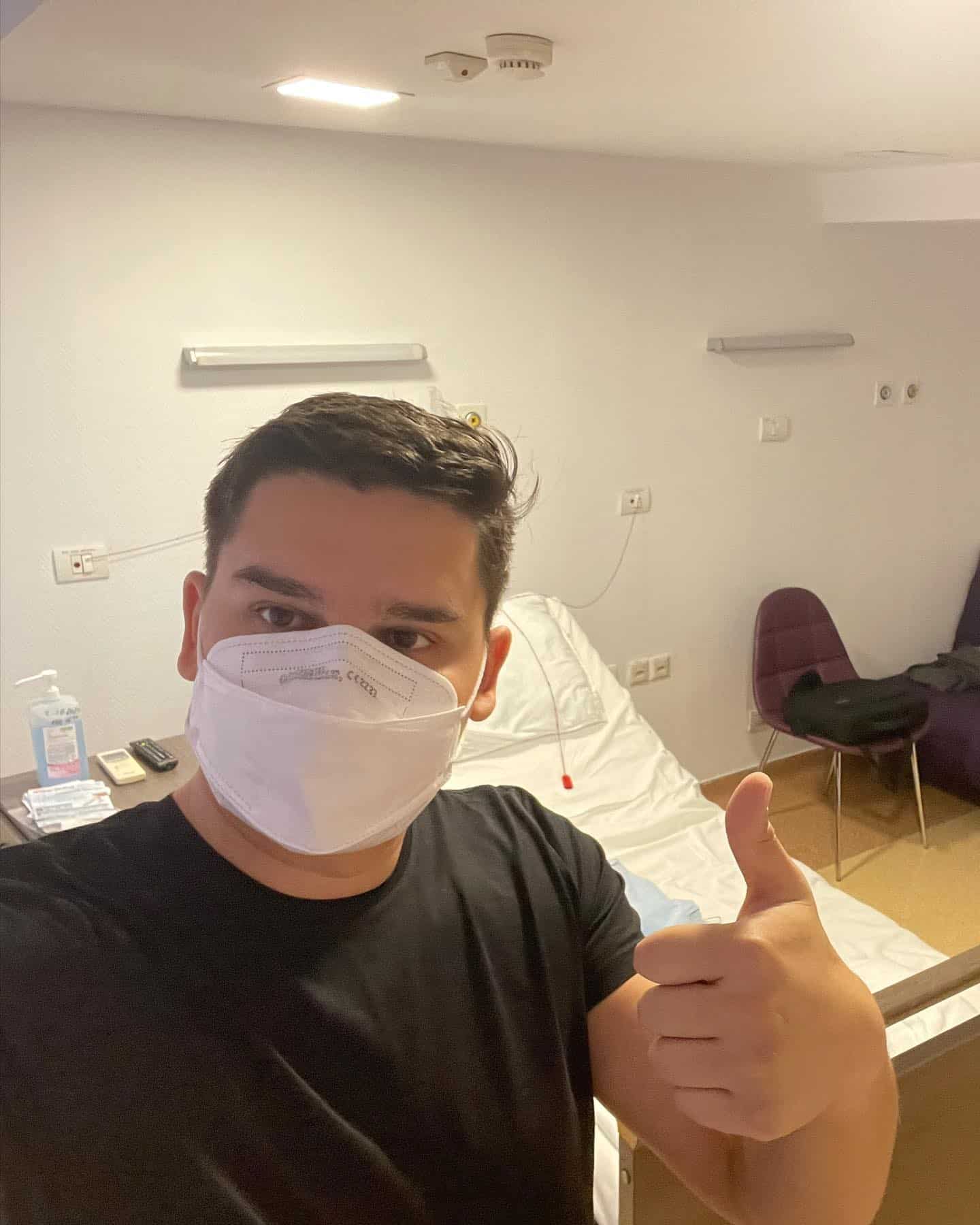
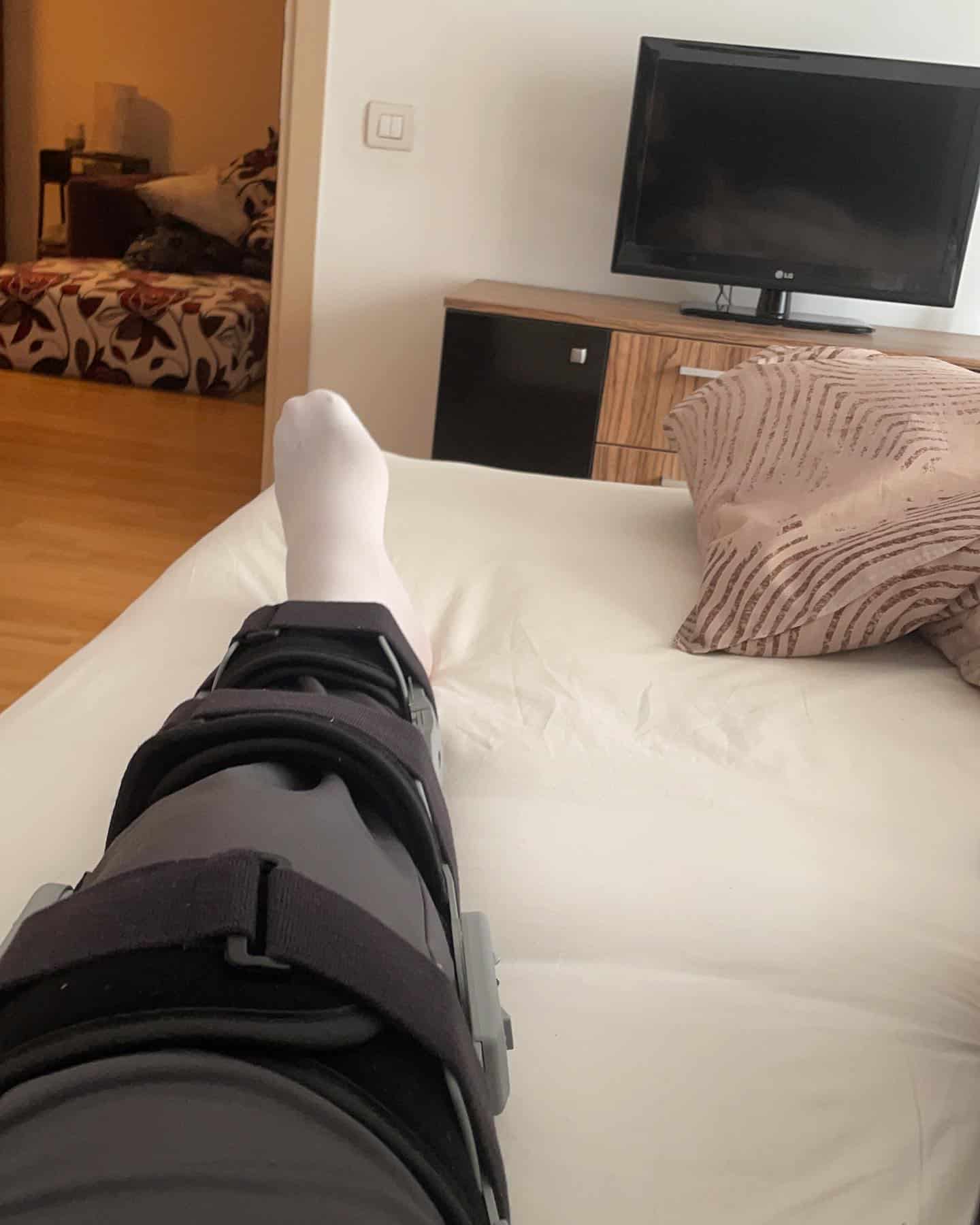
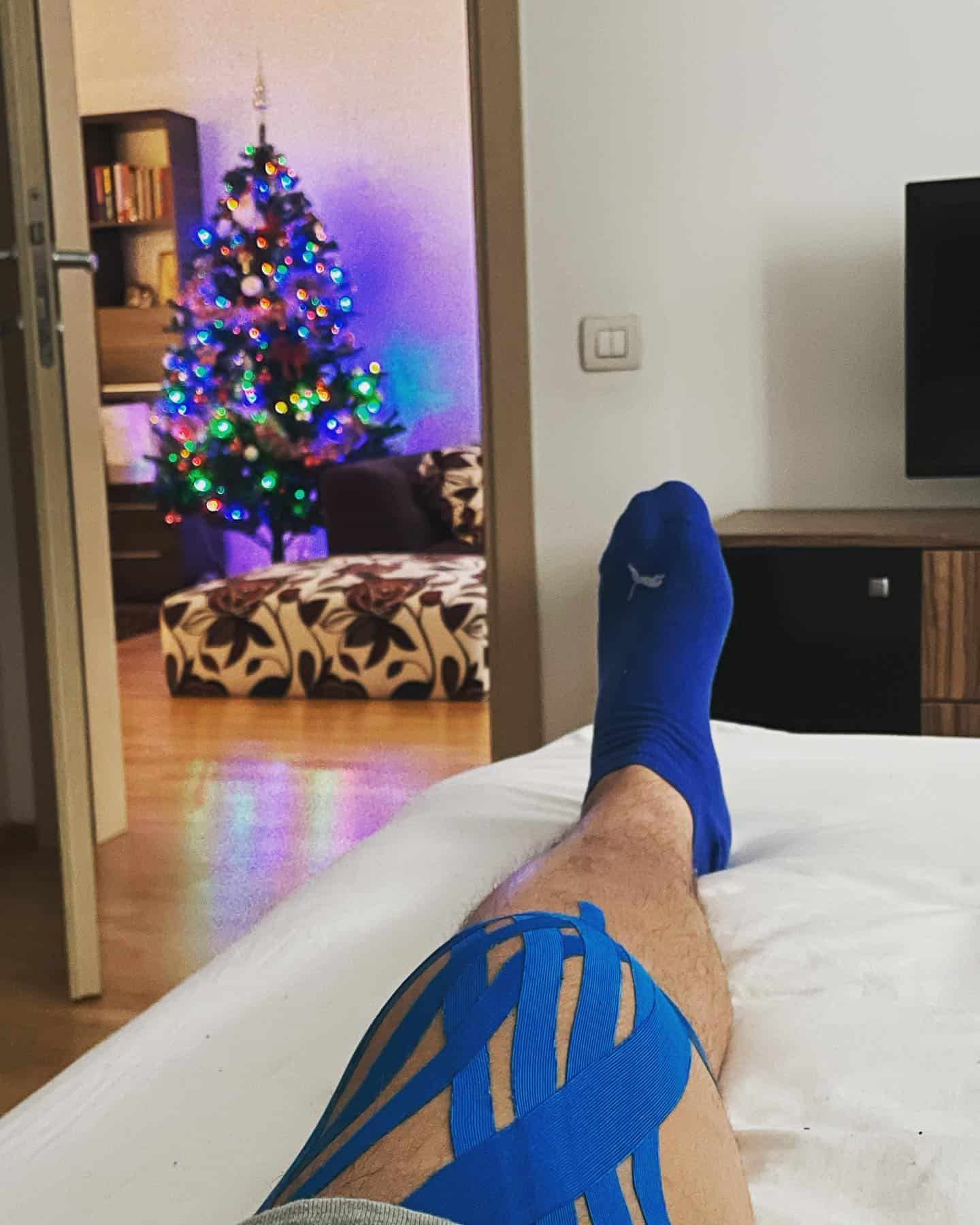
To give a bit more context: at the end of August this year, a few friends and I organized a mountain trip under the banner of a bachelor party, because one of them was getting married a month later. In this small group, most of us are mountain-biking enthusiasts with a bias toward downhill, so the first activity of the weekend, on Friday, took place in Bran at Brava Bike Park, a newly opened park with purpose-built downhill trails. I had visited the park a month earlier and, because we thought the experience was pretty cool, we decided to go back. For those unfamiliar with the topic, I’ll put a link here so you can get an idea of what I’m talking about. Anyway, everything was great up to that point: we met up, geared up, and got to it. We did the first run and I liked it a lot, and when I started the second lap, already knowing the trail somewhat, I began to ride faster and faster. It didn’t take long for me to mess up, right on the second run, on the very last feature of the trail, I went in too fast and started to jump with the bike, although I shouldn’t have. The first jump was fine, but I landed the second jump on the next ramp, at which point the front wheel and fork jammed, and I flew off the bike a few meters, somehow landing on my left shoulder. The bike’s speed sensor showed the following speeds at two-second intervals: 44 km/h – 35 km/h – 8 km/h – 0 km/h. I estimate I took off at around 35 km/h. Anyway, in the moment it didn’t seem like a big deal, I’d fallen before; nothing in particular hurt. I tried to stand up and felt a strong numbness in my left shoulder. I quickly realized that most likely meant a broken bone, so I moved neatly off the trail and tried to take out my phone to let my friends know I’d crashed and needed help. I won’t go into detail about how help reached me via Mountain Rescue and the ambulance, but fairly quickly I was in an ambulance and taken to the hospital in Brașov. The verdict came fast: a clavicle fracture, the kind that only gets fixed with surgery. Again, I won’t recount the hospital experience; a few dozen minutes after hearing the verdict and signing the form that I didn’t want to be admitted there, a friend came and picked me up from the hospital to drive me down the Prahova Valley to Bucharest, where my girlfriend was coming to meet me. You can imagine, it was a Friday evening at the end of August; traffic on the Prahova Valley is beyond description. Fast-forward a few days, three days, to be exact, on September 1st I went into surgery and resolved the structural problem of the fracture. Since then I kept the shoulder immobilized for three weeks, then started rehab, and I hope to fully recover by the end of the year.
After an episode like this, you start asking yourself a few questions. How did I end up in this situation? Sure, we can put the obvious explanations on the table: I was going too fast where I shouldn’t have, but still, why do I enjoy so much that feeling you get from speed when you’re descending on a bike, developed right at the limit of grip? Because no, it’s not about the fresh mountain air or the scenery, it’s about something else. While trying to articulate an answer to this question, I started looking into other areas of my life where I seek similar feelings. Let’s see what else is on the list, under “other sports”: snowboarding, a bit of kitesurfing, a bit of karting, maybe even hiking under the threat of a bear appearing. But digging deeper, I realized I don’t only look for that feeling through sports; I also chase it through projects in my company, the kind where we say “let’s try something we haven’t tried before and don’t know how it will go”, or through personal projects where your expected chances of success are at most 20%.
Going a bit deeper still, I remember the last course we had in the MBA program, a wrap-up course for the entire program, where our professor, Florin Ilie, Deputy CEO of ING Romania, told us, according to a theory of human evolution, how young men are somewhat predisposed to taking big risks in order to manage to mate and procreate. I know it sounds rather cynical, but I can fairly easily understand the logic and the fact that some things nature developed over thousands of years are simply there to stay. On the other hand, as Florin said, that’s why women are more conservative and tend to protect themselves from risks, because they have the responsibility of preserving life and caring for it. Now, the solution wouldn’t be for all of us to adopt the female pattern of behavior just to avoid danger. On the other hand, this predisposition toward risk-taking can lead to much deeper dramas, because that’s how addictions to substances or gambling appear. They can spring from this need to take risks and prove things, and then get amplified by other bio-mechanisms that are much harder to manage.
The good side of this theory, of course I found a good side, also comes from the realm of evolution. In the absence of those specimens who take risks in pursuit of noble goals, like new markets or business sectors, new discoveries in science, new uses of technology, the world probably wouldn’t be where it is today, at least not around where we live. When I arrived at this idea, I remembered that one of the main reasons I chose to call myself an entrepreneur is precisely this feeling you get from the entrepreneurial game, especially in Romania, and especially in today’s global context, where you don’t know and you can’t predict how things will unfold. This taste for the game can be considered, if you will, the equivalent of the adrenaline you consume on a serious downhill mountain bike run. But that happens only as long as you’re playing, making moves, trying things, changing direction. If you freeze from fear of what you might lose and creep down at 3 km/h, you don’t get the same thing anymore. Of course, business also involves risks, you can lose money, people, assets, or relationships. The big difference is that, at the end of such a game played by an entrepreneur, society gains, because new jobs can be created, new products or services can solve problems, and added value gets created. After a bike run, you can enjoy what you lived through, and that’s about it; you’re left only with your memories.
Looking further at our society, I realize that this entrepreneurial risk-taking is greatly hindered by the fear of failure and the need for predictability. In my opinion, this happens because failure is public, and the generation raised under the threat of the question “but what will people say?” chooses not to take public risks. Better to go place a bet on sports; imagine how happy the wife will be when he comes home with money he didn’t work for, and if he loses, no one will find out. Imagine for a second what it would be like if all the customers of these gambling games pursued honest entrepreneurial initiatives, or better yet, if they dared to educate themselves in that direction and used their risk appetite to create real value. It would be impossible for now, that’s pretty much the truth.
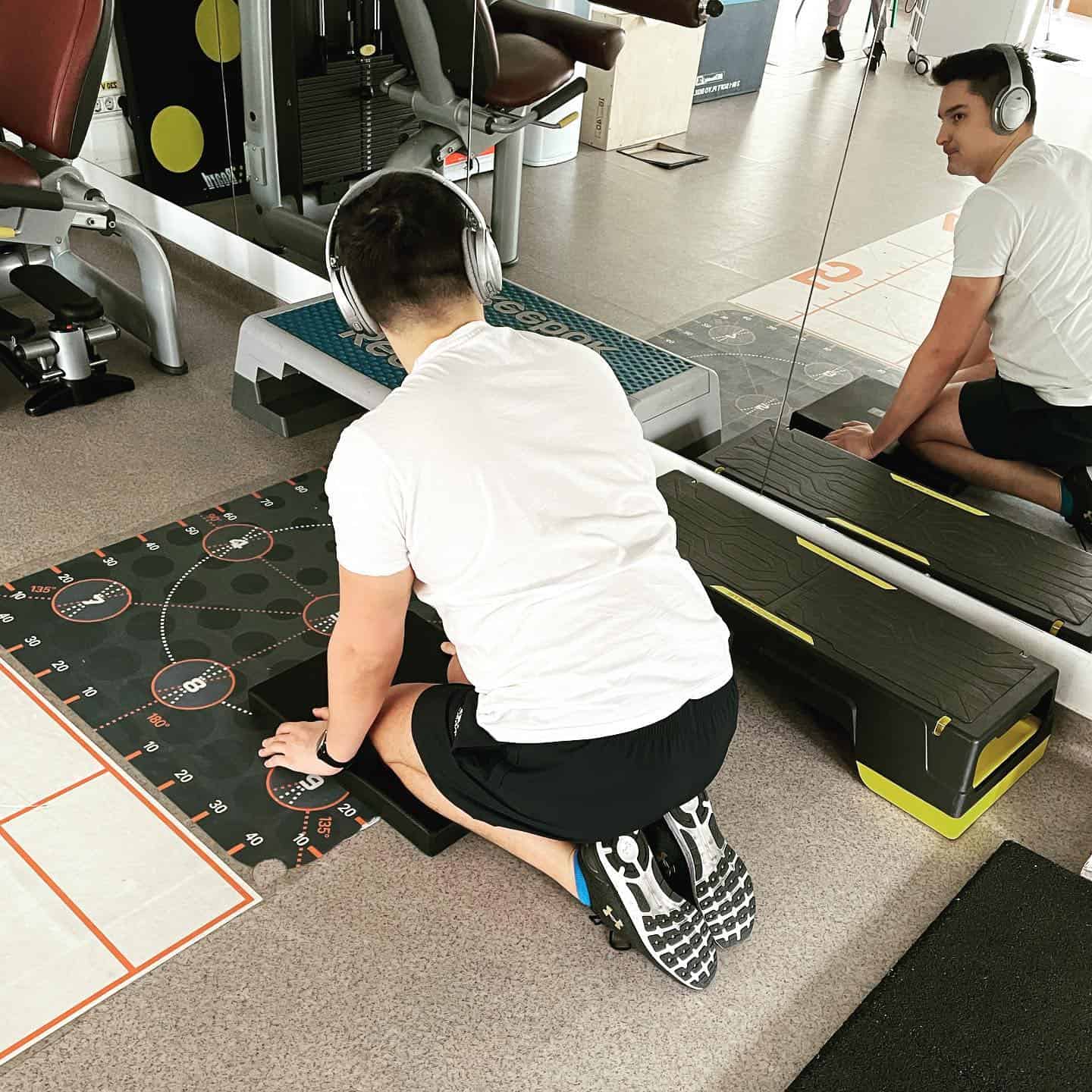
Returning to the need to take risks and to extreme sports, the question I recently asked myself is: will I ever get back on the bike to ride downhill again? In the first two months after the accident I would most likely have answered no. But now I’m thinking that fear is not synonymous with wisdom, so I’ll most likely get back on the bike; I’ll most likely ride downhill again, but certainly not at the level I attempted on that last Friday of August. As for the need for adrenaline, I’ll keep indulging it; in fact, even more, the start of the snowboard season motivates me to go to rehab every morning to regain the mobility in my shoulder.
What I think I truly gained after this unfortunate accident is the realization that I should also satisfy this need for risk-taking outside of extreme sports, through new and ambitious projects. I did that fairly well at one point, that’s probably why I am where I am today, but I have the feeling that lately I’ve been riding with the brakes on, and on too many trails. Maybe it’s time to find a new trail where I can pick up speed, and on the beaten paths I’ve followed so far, let others go as best as they can.