Why do we need mentors?
A question, for which 10 years ago, I did not have even an ounce of understanding. Therefore, I thought that this article could help at least one person, to look with a little more attention at this question, as early in life as possible. I, for one, was extremely lucky, because although this concept was initially foreign to me, fate made those mentors find me and somehow things flowed smoothly. But only now, after 10 years, I do understand the real impact that these people have had on me.
Let’s start with the beginning, why my generation, in its first phase at the age of 18, was unfamiliar with the concept of mentoring. In principle, because we were formed by a “mechanical plant” type of educational system, which had to teach us all the disciplines at the highest level at the same time accelerating the individualism of the student. In short, you had to learn how to be the best in as many disciplines as possible. Nobody cares what you will do with your life, what qualities you have, what you like to do and where your potential is. You were good by the standard of the system, you got the crown, you were the best in one discipline and weak in the rest, you don’t compare yourself with the winners.
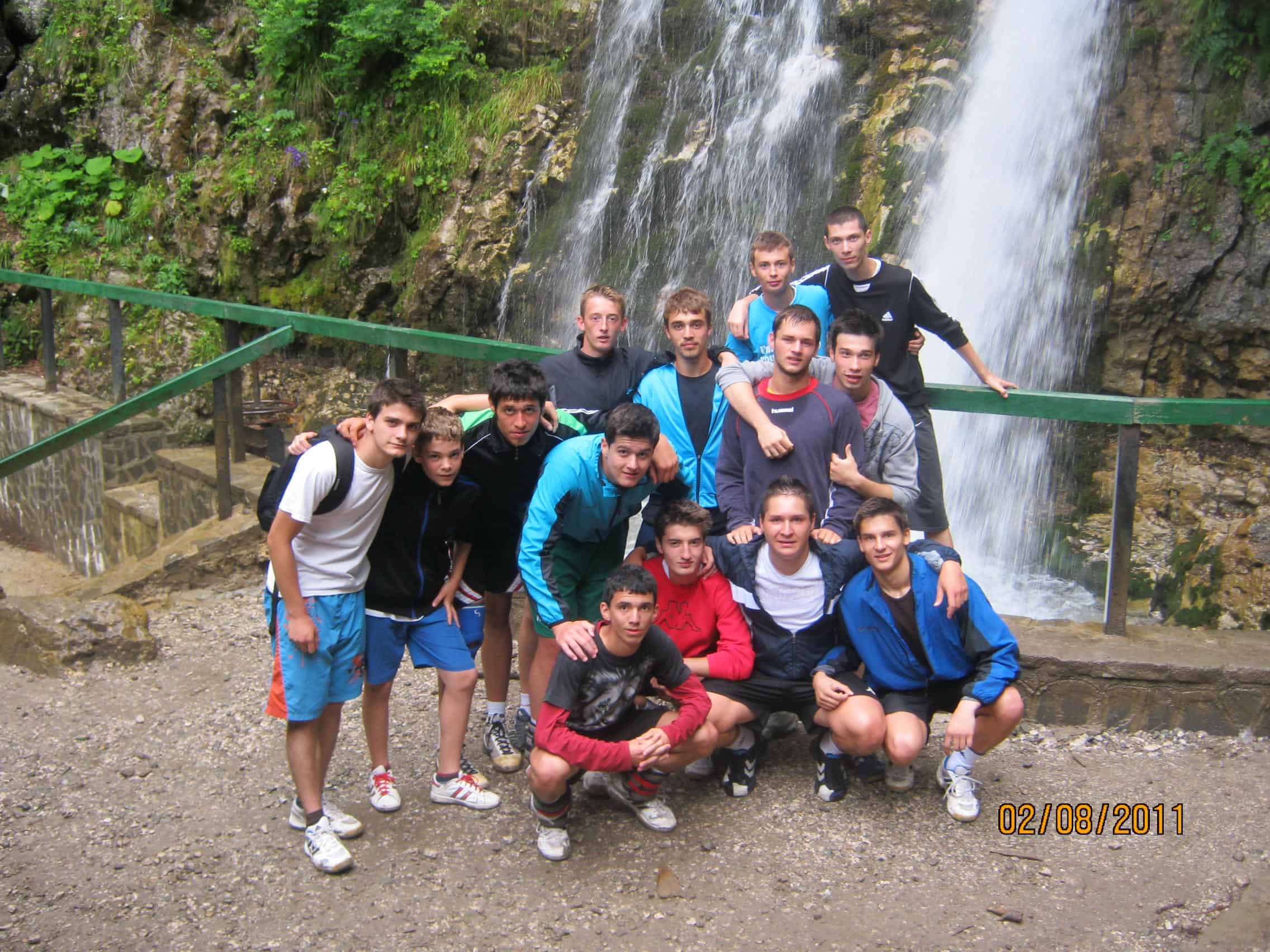
However, I admit, I try to write this article more through the eyes of the student. Compared to some of my colleagues, I was a little luckier because I was able to practice performance sports, where I was also lucky to have a coach who was really my first mentor. But at the time, I didn’t see it that way. Here is the article about the benefits of performance sports during adolescence.
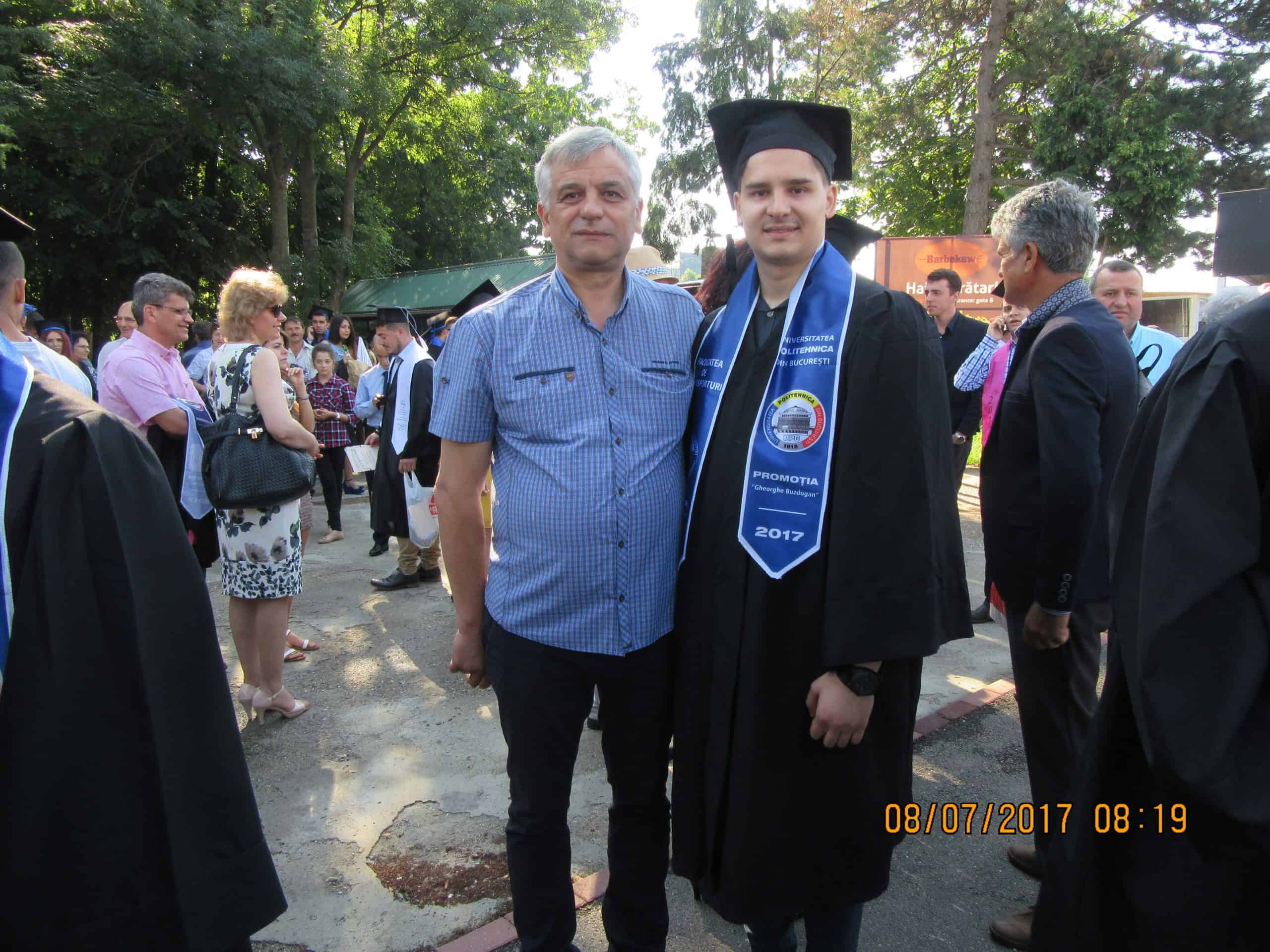
After a few years, at my first job, contracted in the first year of college, I met my second mentor and I began to understand the true value of a mentor, especially from a professional point of view. It was the first time someone asked me a question in the following context: “You have seen what each team in the marketing department is doing now, where do you want to continue?”. With the exception of my handball coach, the first person who was genuinely interested in my personal development and who later served me a set of extremely valuable career lessons.
After that episode, spent at my first job, I started actively looking for mentors, depending on what I wanted to know. Since then, I have been amazed to learn that successful people in various fields are not so difficult to approach. Moreover, they are eager to help you to a greater or lesser extent, depending on what they see in you and also on the ways in which at some point you might be able to help them.
In my short experience, I have dealt with a few mentors, and if I were to define a few categories of mentors, they would be three in number.
Information mentors – a type of mentor who is open to answer your questions, is open to share his experience, to teach you to pay attention to certain details. It’s not always very available, maybe twice a month, but it answers your questions as long as they remain relevant. This type of mentor can help you draw a clearer picture. Usually, this type of mentor works professionally quite far from where you work.
Mentors in your team – usually those who lead teams or have rich experience in a particular field and are your colleagues. Here mentoring is associated with a strong leadership component. It is also a form of mentoring, for which the benefits are directly measurable. The advantage in this case is also strengthened by the professional relationship you have with the mentor, if you win and become better, your team will win. Even though it now seems normal for most team leaders to pay close attention to this activity, this is not yet so common.
Life-changing mentors – the strongest mentor is the one who makes you change the way you see your life. This type of mentor is not transactional at all, or if he is, he is not related to you, he has a much higher purpose. I hope that as many people as possible have the chance to meet such a mentor, who is willing to invest time and energy to help you navigate your own mistakes. And I hope to become such a mentor one day.
Summarizing now the impact that a number of mentors have had on me, I can say that I have gone through the following stages:
I don’t think it makes sense to mention that professionally, I wouldn’t be where I am today and I wouldn’t think the way I think today, without the contribution of these mentors, to whom I will remain deeply grateful all my life.
How can we find mentors and how to work with them?
Because in this chapter, my experience is not necessarily so vast, I did a little research to give you some tips as practical as possible. In short, in my case, dozens of emails sent combined with my way of being at the time of some meetings, helped me to connect with the mentors in my life. But what should you do if you start from scratch? In a Harvard Business Review article, Mark Horoszowski comes up with some ideas that I find useful for both mentoring and working with mentors.
The research on the power of mentorship is pretty clear: People with mentors perform better, advance in their careers faster, and even experience more work-life satisfaction. And mentors benefit, too. After all, “to teach is to learn twice.” Despite all these benefits, and even though 76% of working professionals believe that a mentor is important to growth, more than 54% do not have such a relationship.
The problem is often that people don’t know how to find a mentor or establish a relationship. The following eight steps can help.
Get out a pen and paper, and write out your career goals. Make sure they are SMART. Then, list out some of the biggest obstacles to achieving them. This specificity will help you decide what type of mentor you should be looking for. Maybe you need to develop new skills, expand your network in a specific sector, or build confidence to have some tough conversations. By first understanding where you want to be, as well as the biggest opportunities and gaps to getting there, you’ll identify how a mentor can truly be helpful to you.
Equipped with your goals and what you need to help achieve them, think through how a mentor can help. Write out the type of mentor that can help you seize your biggest opportunities and/or navigate your challenges. Be specific here. Perhaps you need someone that can help you accomplish a project, make introductions to people at a certain level within a specific industry, or coach you through a tough negotiation. In your job description, make sure to also include the “why” – just like companies want potential hires to understand the bigger purpose of their firm, explain why mentoring you will tap into something bigger. Make sure you include this job description when you reach out to potential mentors, so they know why you’re asking for a mentor and are more willing to help (covered in the 4th and 5th steps).
Mentors can be from anywhere. They can be from your LinkedIn network, professional connections, or people you’ve met at conferences. It’s important to remember that while people are certainly busy, being asked to be a mentor is a massive compliment. People might say no, but it will be a positive exchange and you shouldn’t be shy about thinking big and making the asks, even if you think there is no way the person can find time for you. Let them be the judge of that.
Asking someone to be your mentor the first time, second time, and even third time is a little awkward. It’s likely you’ve never been asked to mentor someone else, nor taught how to make the ask for yourself. Embrace the uncomfortable feeling and be vulnerable. There is no harm that can come from asking, but take it slow. Ask someone for a first conversation to learn more about their work and interests. Once you learn more about each other, if there is an alignment, then make the bigger ask for mentorship. Asking someone cold to be a mentor with a long email is too much to take in.
You have two goals for your first conversation with your potential mentor. First, you need to determine if this person is really the right mentor for you. Then, find out whether they are open to the idea of mentoring you. How you approach the conversation will depend on you, but in general, you’ll want to do these few things:
For your next meeting, keep it simple and follow up based on your last encounter. Once the person confirms they will meet with you again, send an email proposing an agenda and hinting at the idea of a longer-term relationship. Something like: “In our next chat, I hope we have a quick catch-up, and then I’d love to further expand on our conversation from last time. I’ll come prepared with some specific questions that I think you could help me answer.”
After you have a simple conversation or two, try making a more formal ask: Would the person be willing to sit down with you once a month for the next six months until you achieve your goal or solve your problem? If so, then consider creating a simple one-page document outlining what you will accomplish in those six months together. While it might seem a bit overkill, it will help add clarity to you and to your mentor by helping share the goal of the relationship. It will also help you set a clear agenda for each meeting. You can suggest it by saying: “I truly appreciate your time, and I really want to make sure I’m making the most of it. I was thinking that I could prepare a simple document that would share my goals with you, my commitment to you, and what milestones I hope to achieve in the next three months. I think it will help hold me accountable to come prepared to our conversations. Would you be okay with that?”
You should definitely send a thank-you note after every meeting. Beyond that, once your mentorship arrangement comes to a close, you should continue to say thanks. I once had a mentee email me two years after our partnership. It made my week! In exchange, I was also able to help make some new and interesting connections, and she the same. So remember, it’s okay to ask for a favor, just make sure to show proper appreciation!